How to Vet a Recliner Sofa Factory Before Your First Order
- Share
- Issue Time
- Oct 26,2026
Summary
A buyer-side checklist for vetting a recliner sofa factory: the documents to request, what to verify on the floor, which capacity numbers to demand, and the extra questions lift chair programmes need.
Quick answer. You can vet a recliner sofa factory in about two weeks without getting on a plane. Ask for the quality system documents, the third-party test reports covering motors and frames, and the factory audit records; then ask two suppliers the same ten questions and compare the answers. A number with a document behind it is capability. Everything else is a claim.
What documents should you have before the first video call?
Ask for five items and read them before the conversation turns to design. If the reply is a catalogue instead of documents, you have already learned the most useful thing about that supplier.
- ISO 9001 for the quality system. PandaSofa makes it mandatory for every supplier it admits, which is the floor you should accept from a finished-goods factory.
- CE, UL, BSCI or SGS factory audit reports covering the motor and the frame — the two components that decide whether a recliner survives its warranty.
- Third-party laboratory reports from SGS, Bureau Veritas or an equivalent, covering REACH, RoHS and CE compliance.
- Flame retardancy aligned to your market: California TB 117-2013 for the United States, BS5852 where a British or European buyer asks for it. The right question is not "do you have certificates" but "which certificate covers this component, in this market".
- FSC chain-of-custody, if wood frames matter to your channel or your retail customers ask about sourcing.
What should you check on the floor rather than in the catalogue?
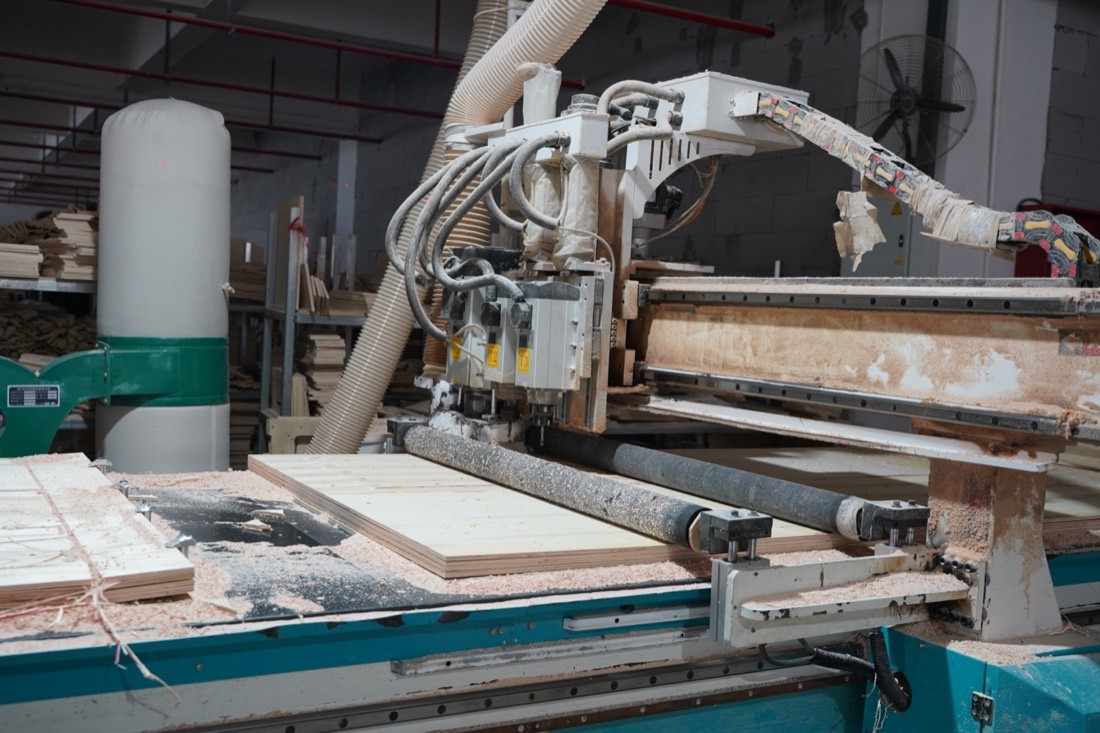
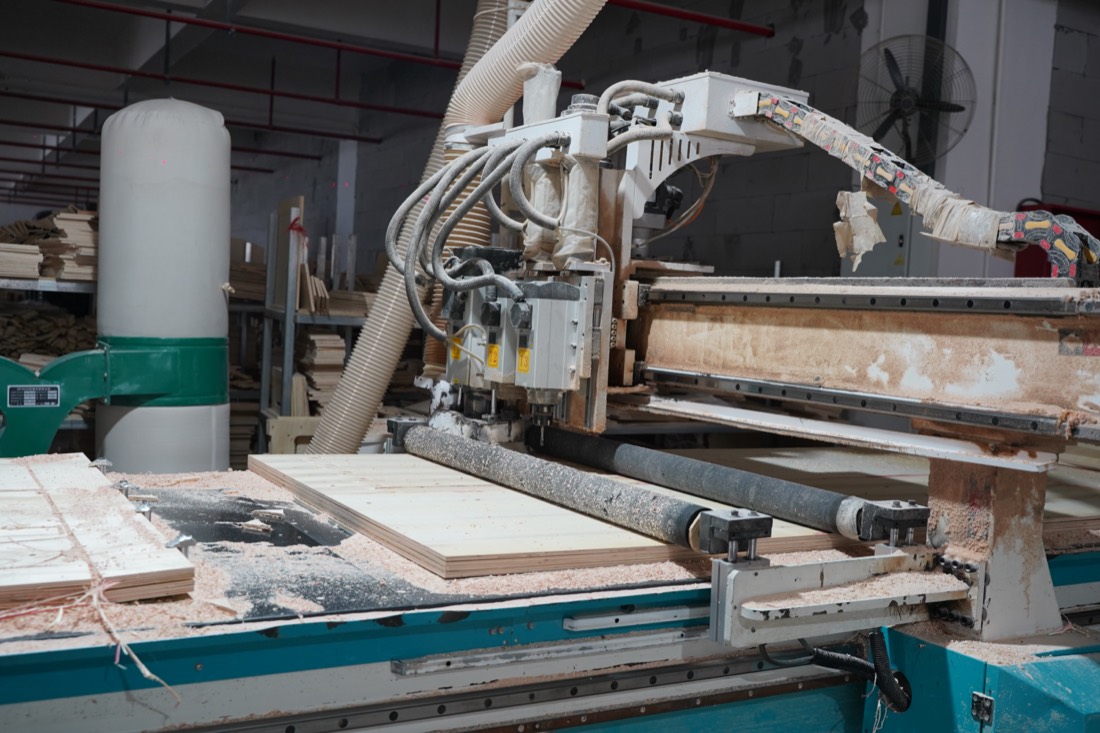
Three inspection gates decide most quality outcomes: incoming material inspection, in-line inspection, and pre-shipment final inspection, each with a named QC owner. A factory with only the last gate is inspecting its own mistakes at the end of the line.
What to look at, and what to photograph while you are there:
- Wood moisture content, held at 8%–12%. Below it, panels crack in a dry container; above it, frames move after landing.
- Metal frame salt spray records, plus mechanism lateral load and pull tests.
- Seam spacing measured with a caliper, not judged by eye.
- Fabric abrasion in Martindale cycles; ISO 12947 is the industry-typical scale buyers compare against.
- A test register. PandaSofa runs 150+ durability procedures and quotes 25,000 cycles as its example for metal mechanism durability. The register matters more than the headline number: a factory that can list its tests can also tell you which one your model failed.
Can the factory put capacity into numbers?
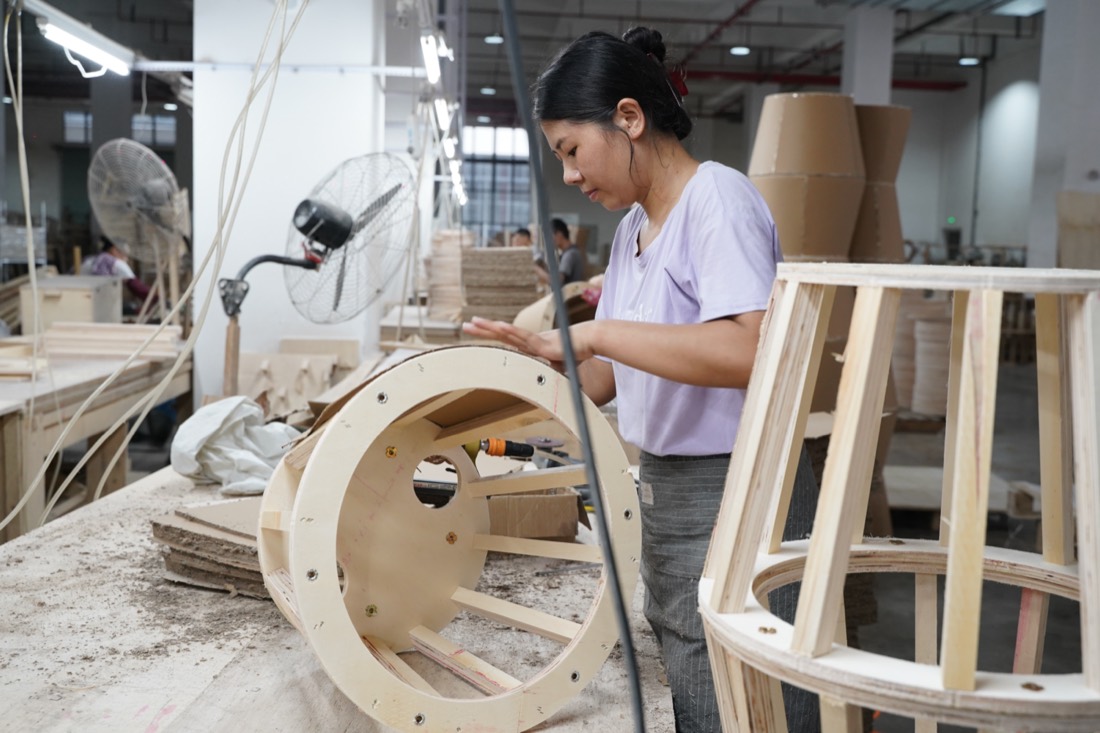
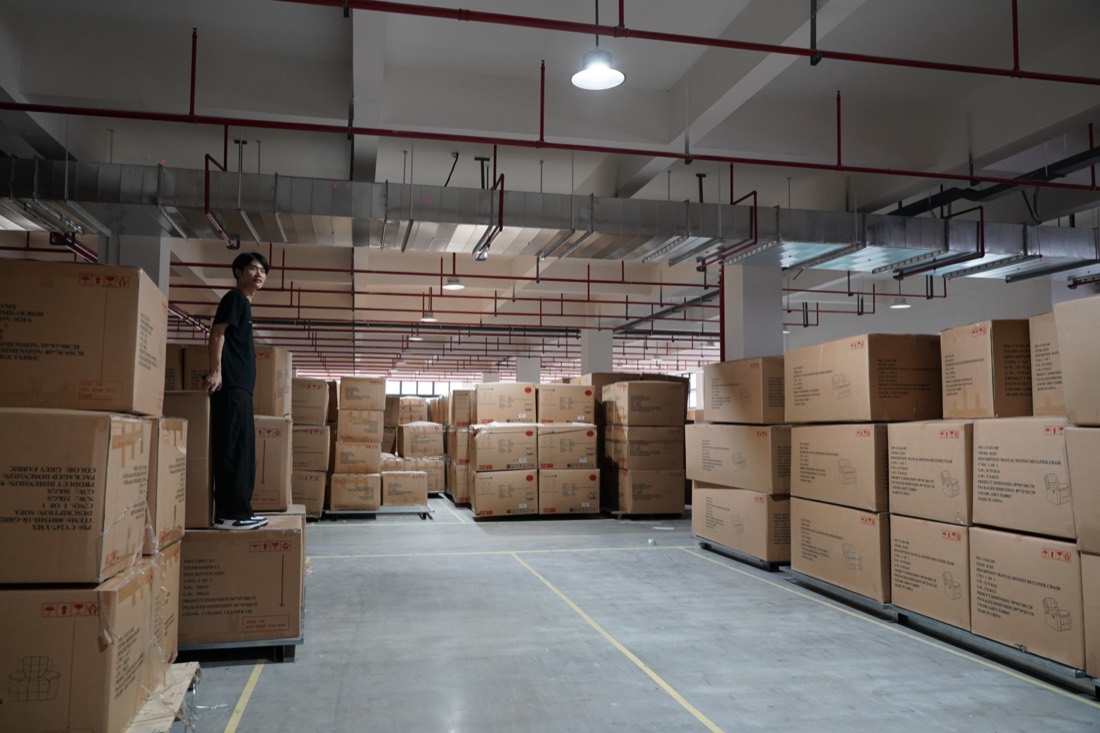
Capacity questions are really scheduling questions. A plant of 50,000 m² producing 8,000+ sets a month and serving 500+ retailers has room to move a reorder; a trading office cannot invent that room. PandaSofa has been building recliners since 2007, exports to more than 100 countries — mainly North America, Europe, the Middle East and Australia — and releases 10+ new designs a month.
Three numbers worth requesting in writing: monthly output by category, current backlog in weeks, and how many models share your chosen mechanism. The third one predicts your spare-parts risk two years from now.
What changes when the same factory builds lift chairs?
Lift chairs push the whole load path through mechanism, motor and frame at once, so the weight rating stops being a marketing line. Standard recliners at PandaSofa are designed for 120–150 kg user weight; lift chairs can be configured higher, and that ceiling depends on the metal frame, the mechanism and the motor specification — not on the upholstery.
When you are comparing lift chair manufacturers for elderly or care channels, ask three things per model: the rated user weight, the motor and mechanism supplier for that model, and whether the reports on file cover the electrical parts for your market. A factory that answers "heavy duty" without a number has not engineered the model for a care channel.
How do you test a factory before committing a container?
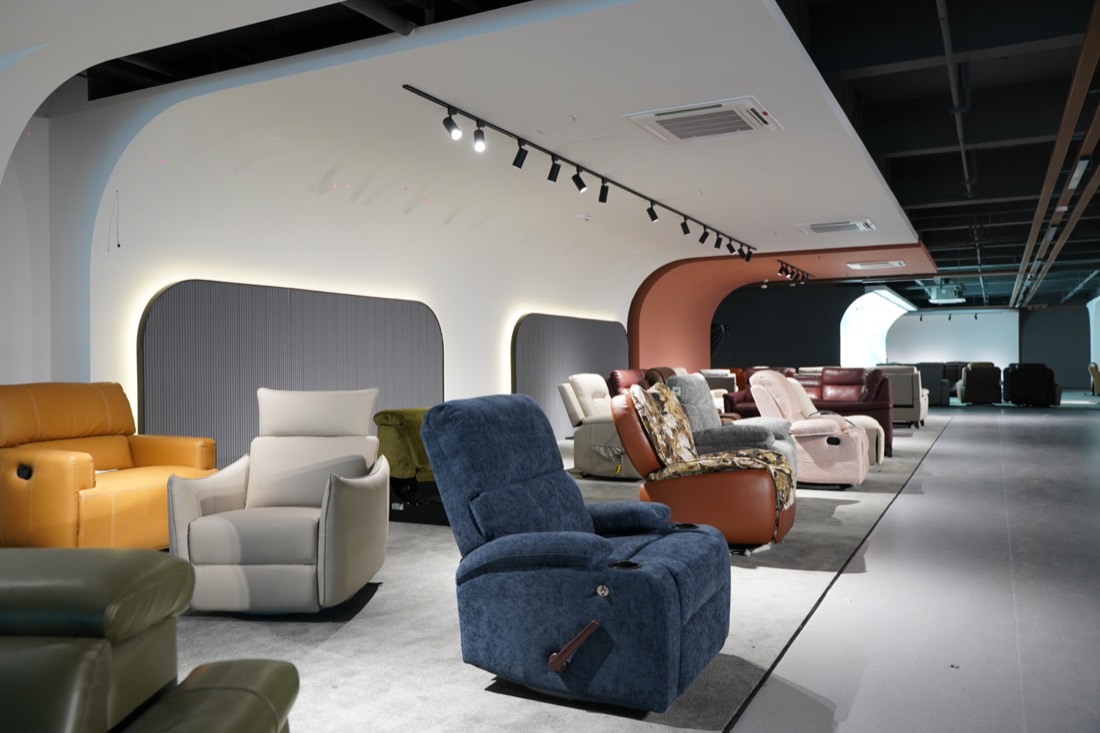
Time-box it. Sampling runs 15–25 days after details are confirmed. Bulk production runs 30–45 days, and can be compressed to roughly 25 days when the model and materials are already proven. A factory that quotes a faster bulk date before it knows your fabric, colour and function list is quoting hope.
Then check the commercial frame in the same conversation:
- MOQ at PandaSofa is one 40HQ container, one model and two colours — the default recommended quantity. No trial order is accepted below that, so a supplier who offers you a pallet may be brokering rather than producing.
- Payment: T/T 30% deposit with 70% after shipment, L/C, or documents against payment at sight.
- Ports and terms: Ningbo or Shanghai, on EXW, FOB, CFR, CIF, DDP or DDU.
- Warranty in the PI: two years on the complete unit, five years on the wood frame, lifetime on the steel frame.
- NDA and confidentiality on your drawings and samples, if you are developing rather than buying from the catalogue.
Which red flags should end the conversation?
- A lead time arrives before any question about fabric, colour or functions.
- There is no pre-shipment inspection, or the inspector reports to the line supervisor.
- The sample photos carry a different model number from the quotation.
- Warranty and inspection terms are called "standard" but never appear in the PI.
- Nobody can name the motor and mechanism used on the model you are buying.
Which PandaSofa models fit?
People also ask
- What certifications and tests can your products meet? Covers which reports exist for motors, frames and fabric, and how they map to REACH, RoHS, CE and destination flame standards.
- How do you control quality for recliner sofas and lift chairs? The three inspection gates, who owns each one, and what is measured at each stage.
- How is quality controlled before shipment? What a pre-shipment final inspection actually checks before a container is sealed.