What foam density do you use?
- Share
- Issue Time
- Nov 24,2026

Direct answer
We build with D28, D30 and D35 foam — all virgin foam, with no crushed-foam powder blended in, so a cushion keeps its loft and recovers after loading instead of packing down. The grade is fixed per model at specification stage, and we recommend it together with the cover for your climate, cleaning habits and channel.
What the D number actually means
In the foam trade the figure after the D is density in kilograms per cubic metre, so D28 is 28 kg/m³. Density is not hardness: it measures how much material sits in a given volume, and it governs how long a seat holds its shape under daily use. Hardness — soft, medium or firm — is a separate decision made on top of it.
Which grades we build with
Three densities cover our range, and each has a job.
- D28 — the lightest seat grade, for a softer sit at a keener price point.
- D30 — the middle grade behind most of our recliner and lift chair programmes.
- D35 — the firmest, for high-traffic seating, contract projects and heavier users.
All three are virgin foam. Density and cushion structure can be adjusted per order for a softer or firmer sit, and the choice is written into the approved specification rather than left to the line.
What sits around the foam
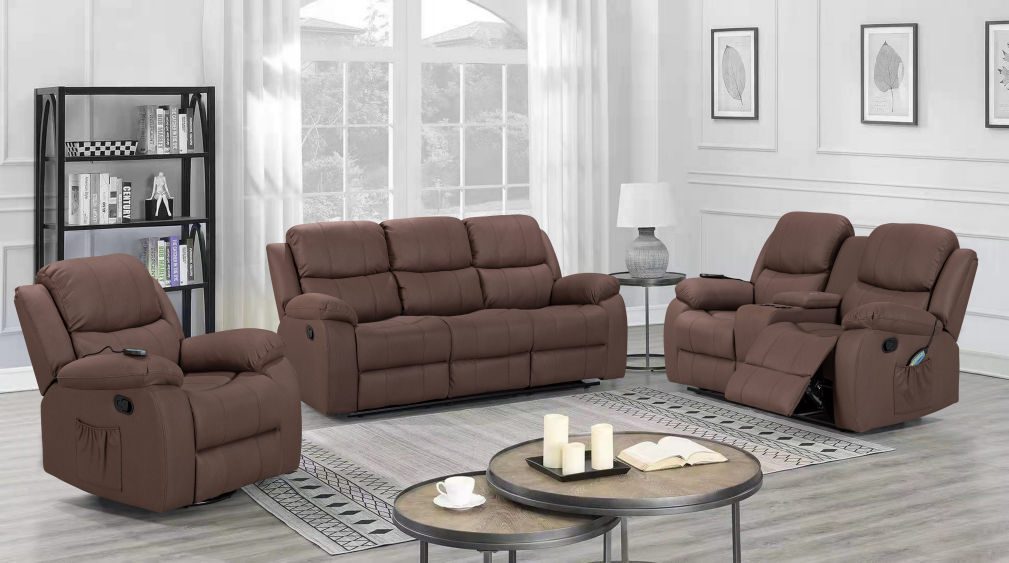
Density alone does not decide how long a sofa lasts. Seats are built on a high-strength wooden frame or a metal mechanism frame, with S-spring packs and layered filling of foam, down and cotton, cut to ergonomic standards. Standard recliners are designed for users of 120–150 kg; lift chairs can be configured higher. The unit carries a 2-year warranty, the wooden frame 5 years and the metal frame a lifetime one.
One example
A North American retailer asked for a firmer seat after returns came back flat. We moved the seat to D35, left the back on the softer grade and wrote both into the specification. Before packing, QC checks foam density and recovery alongside mechanism cycles, stitching and carton integrity.

Related questions
Does a higher density mean a harder seat?
No. Density and hardness are separate variables — D35 can be made soft and D28 firm. Specify both: density for durability, hardness for the feel your market expects.
Can I use different foam in the seat and the back?
Yes, and most programmes do. The seat takes the load, so it carries the denser grade, while the back and arms run softer. Both are set in the specification and checked before packing.
How do I judge foam quality from a sample?
Press the seat, release it and watch the recovery: slow return or a visible handprint points to a light or powder-filled foam. Then check the seat nose, which collapses first, and ask for the density grade in writing.