The Unsung Hero of Comfort: Why a Wooden Frame Makes All the Difference in Your Recliner Sofa
- Share
- Issue Time
- Jan 6,2026
Summary
A premium recliner sofa's wooden frame is its silent foundation. Crafted from kiln-dried hardwood like oak or maple, it ensures lasting stability, resisting warps and squeaks. Reinforced with corner-blocking and sturdy joinery, this robust skeleton securely anchors the reclining mechanism while providing essential, ergonomic support for your body. It’s the unseen promise of durability and unwavering comfort for years of relaxation.

When shopping for the perfect recliner sofa, our minds often drift to plush cushioning, buttery-soft upholstery, and the smooth, silent glide of the footrest. While these features are undoubtedly important, there’s a critical element hidden beneath the surface that dictates the longevity, support, and overall quality of your investment: the wooden frame.
Think of the frame as the skeleton of your recliner. Just as a strong spine supports a healthy body, a robust, well-constructed wooden frame is the foundation of a comfortable and durable sofa. Let’s dive into why this hidden component deserves your full attention.
The Backbone of Recliner Sofa Durability: It’s All in the Build
Not all wood is created equal. The type of wood, joinery techniques, and engineering directly impact how your recliner will feel and function for years to come.
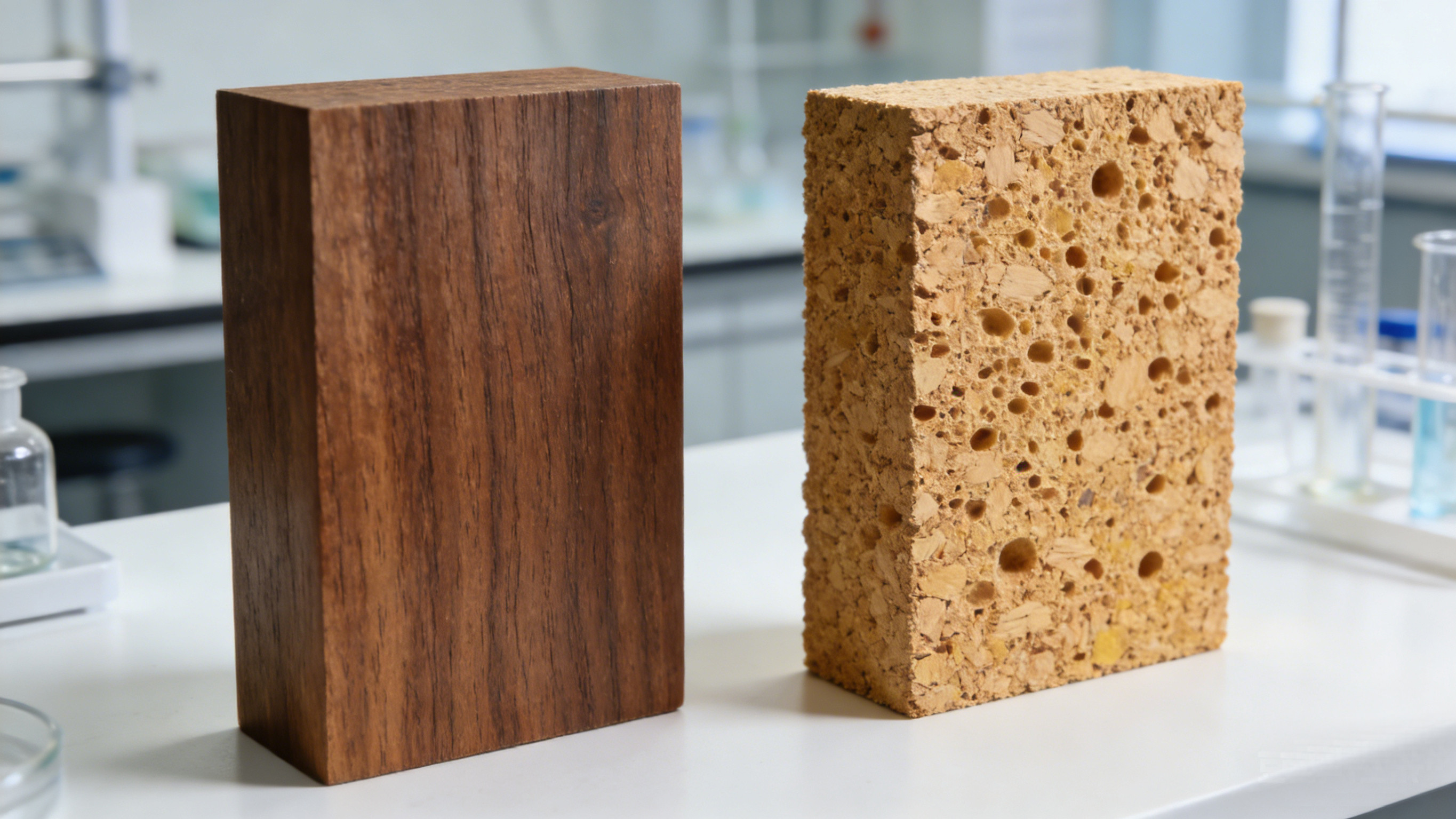
Hardwood vs. Softwood: High-quality recliners typically use kiln-dried hardwood like oak, maple, or ash. Kiln-drying removes moisture, preventing the wood from warping, cracking, or twisting over time. Hardwood is dense and strong, capable of supporting significant weight and withstanding the constant motion of reclining. Softwoods or inferior composites may save on cost initially but are more prone to squeaking, flexing, and even breaking.

Corner-Blocking & Joinery: Examine how the frame is assembled. Look for features like double-doweled joints, corner blocks glued and screwed , and metal reinforcements at stress points. These construction methods ensure the frame remains rigid and stable, preventing the unsettling wobble or separation that plagues poorly made furniture.
The Mechanism Mount: The heart of the recliner—the mechanical system—is bolted directly onto this wooden frame. A weak frame can flex under the mechanism’s tension, leading to misalignment, difficult operation, and premature mechanism failure. A solid wood foundation ensures the mechanism operates smoothly and reliably.
Your Recliners Invisible Source of Comfort and Support
The frame does more than just hold things together; it actively contributes to your comfort.
Foundation for Cushioning: High-density foam and premium cushioning need a firm, even base to perform correctly. A sagging or uneven frame will cause cushions to break down inconsistently, creating uncomfortable dips and losing their supportive qualities.
Posture and Ergonomics: The frame’s shape and angle are designed in tandem with the cushioning to provide proper lumbar and cervical support. A well-designed wooden structure ensures the recliner’s contours align with your body’s natural posture, whether you’re sitting upright or fully reclined.
A Question of Investment: Choosing a Sustainable Recliner
Choosing a recliner with a superior wooden frame is a decision for the long haul.
Long-Term Value: While the upfront cost might be higher, a solid hardwood frame recliner is an investment that can last 15-20 years or more with proper care. It withstands daily use, making it a smarter financial choice over cheaper alternatives that may need replacing every few years.
Sustainability: Quality hardwoods are often sourced from responsibly managed forests. Investing in a durable piece means consuming less—you won’t be sending a broken-down sofa to the landfill anytime soon. It’s a choice that benefits both your home and the environment.
What to Ask Before You Buy
As an informed shopper, don’t hesitate to ask retailers or manufacturers these key questions:
“What type of wood is used in the frame?”
“Is the wood kiln-dried?”
“Can you describe the joint construction and corner-blocking?”
“What is the warranty on the frame?”
In Conclusion
The allure of fabric and padding is easy to see, but the true soul of a great recliner sofa lies in its wooden frame. It is the silent guardian of your comfort, the enforcer of durability, and the key to your long-term satisfaction.
On your search for the perfect reclining haven, remember to look deeper. Prioritize that sturdy, well-crafted wooden skeleton. Your back, your peace of mind, and your future self—stretched out in perfect, squeak-free comfort a decade from now—will thank you for it.
What’s your experience with furniture frames? Have you ever been surprised by the build quality of a sofa you owned? Share your thoughts in the comments below!
Looking for a reliable supplier? Contact us for a competitive quote and free samples.