The Art and Science Behind Every Stitch: A Detailed Look at Hand-Sewn Recliner Craftsmanship
- Share
- Issue Time
- Dec 18,2025
Summary
Recliner sofa sewing focuses on durability. Double-needle stitching with strong thread reinforces stress points at mechanisms and seams. Critical areas are triple-layered and back-stitched for load distribution. Premium decorative stitching (12 SPI) ensures a sleek, tailored appearance that withstands frequent movement.
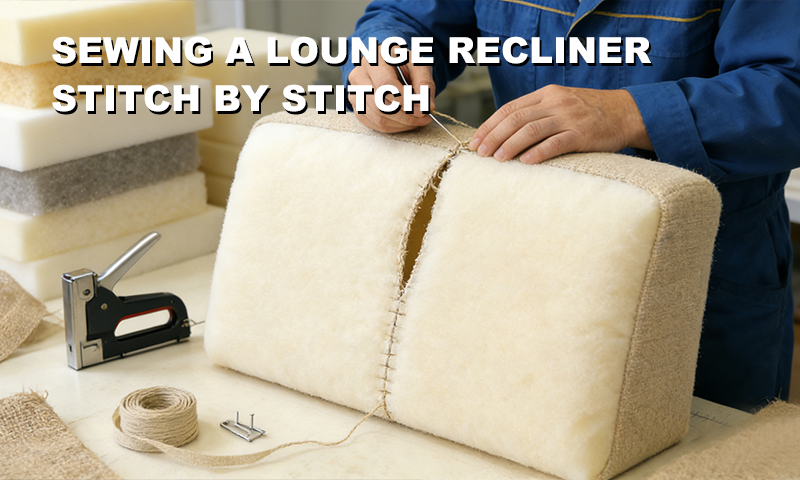
As the operator of an independent home furnishings brand, I frequently step onto our production floor—not merely for oversight, but out of deep respect. Today, I invite you behind the scenes into our recliner sofa sewing workshop, where skilled hands transform fabric and frame from simple "furniture" into a cohesive "piece."
Stage 1: Crafting Your Recliner: From Fabric to Pattern
1.Fabric Inspection & Pre-Treatment
Every bolt of fabric that enters our workshop undergoes a meticulous, meter-by-meter inspection under natural light to identify weaving flaws, color inconsistencies, or stains. Approved fabric then receives pre-shrinking treatment—steam pressing or washing and drying, depending on the material—to ensure the final product won't distort after use.
2.Pattern Making & Layout
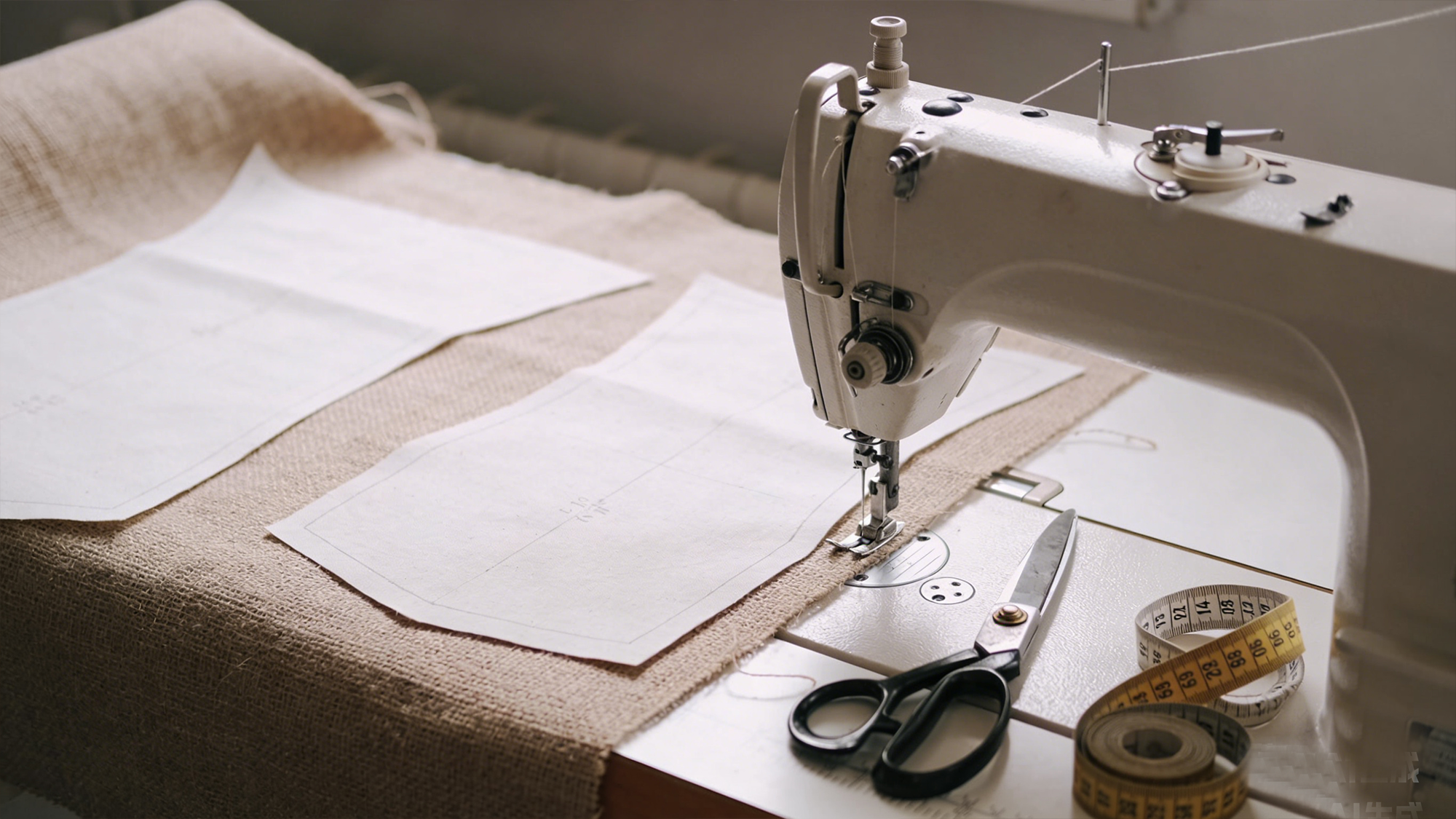
Our pattern master creates 1:1 templates from design blueprints using sturdy paper. The layout process is akin to solving an intricate puzzle, considering pattern direction, grain orientation for stress points, and fabric yield optimization. An experienced master can layout 2-3 more pieces per bolt than a novice—a testament to a decade of refined skill.
7-Step Core Sewing Symphony
Step 1: Precise cutting
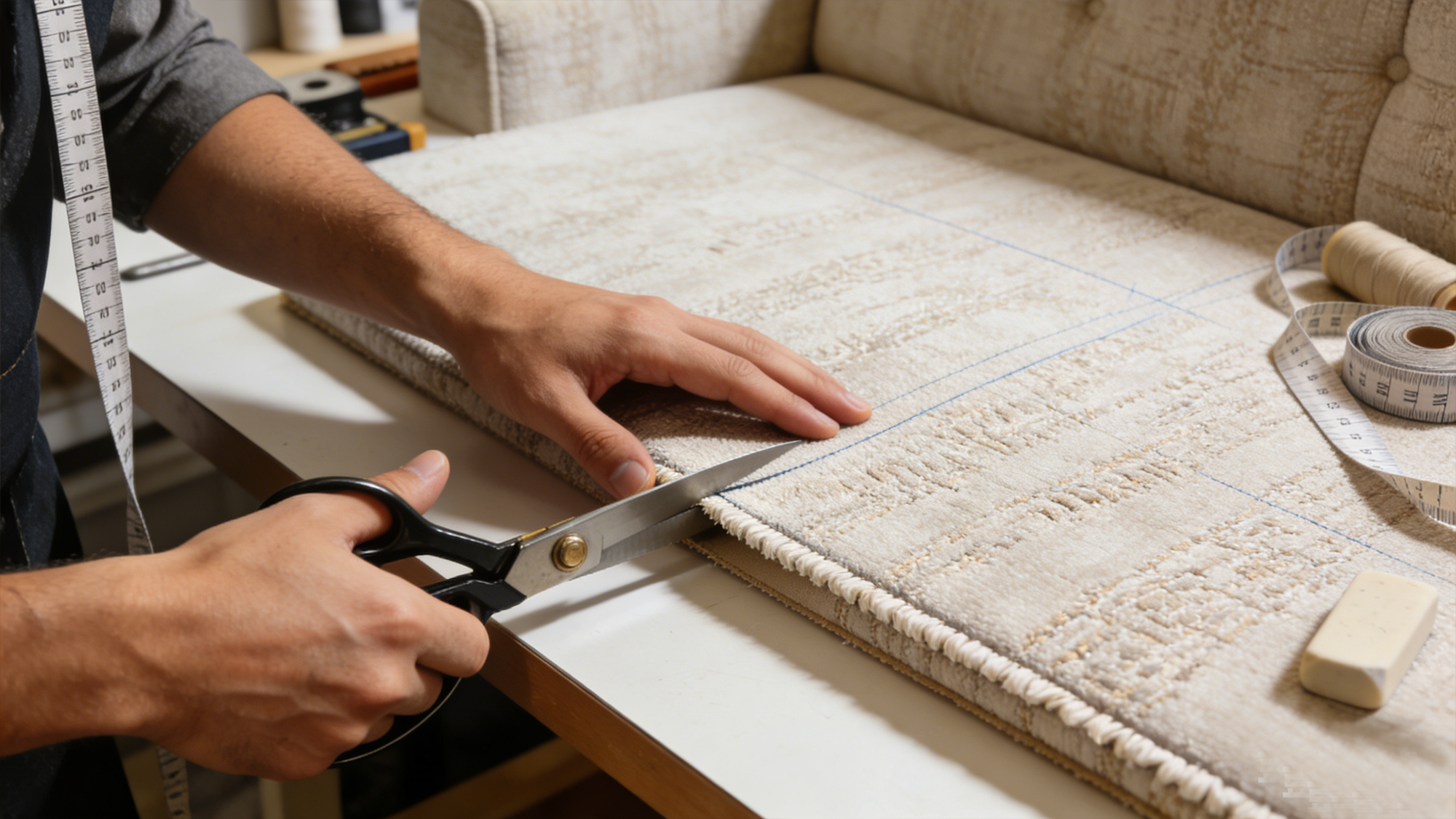
Exactly following the template edges, the cutter uses heavy-duty shears. Pieces for arms, backs, seat cushions, etc., are bundled, tagged, and annotated with style numbers, fabric batch codes, and cutting dates. This full traceability is foundational to our quality promise.
Step 2: Component Pre-Assembly
Smaller components like arm covers and headrest covers are partially sewn first. A key detail: all load-bearing seams are sewn with a double-needle stitch, creating parallel rows of thread for "double insurance" against stress.
Step 3: Major Seam Construction
This is where the recliner takes shape. Large panels for the seat, back, and sides are joined. We insist on a stitch density of 10-12 stitches per inch (compared to the industry standard 8-10). The denser the stitching, the greater the tensile strength and the finer the finish.
Step 4: Quilting & Channeling
Parts requiring foam inserts are secured with tacking or channel quilting. Our signature is diamond channel quilting, where each diamond's dimensions are precisely calculated to ensure foam remains evenly distributed and resistant to shifting over time.
Step 5: Application of Zippers and Closures
Invisible zipper installation is a specialized skill. Our tolerance is within 1 millimeter, ensuring a smooth, silent glide. The seam joining the zipper tape to the main fabric receives reinforced stitching that, unseen by most users, provides daily benefits.
Step 6: Edge Trimming & Binding
We trim all seam allowances neatly. Critical edges are finished with piping or binding tape to prevent fraying and unraveling. More than just a subtle contrast to the main fabric, the chosen binding color is a discreet design signature.
Step 7: 3D Shaping & Final Fitting
The flat assembly now becomes a three-dimensional cover. A senior craftsperson dresses a frame model to check fit and drape, much like a final fitting for bespoke tailoring. Even slight puckers or misalignments are marked for adjustment.
Quality Control: Eyes More Critical Than Yours
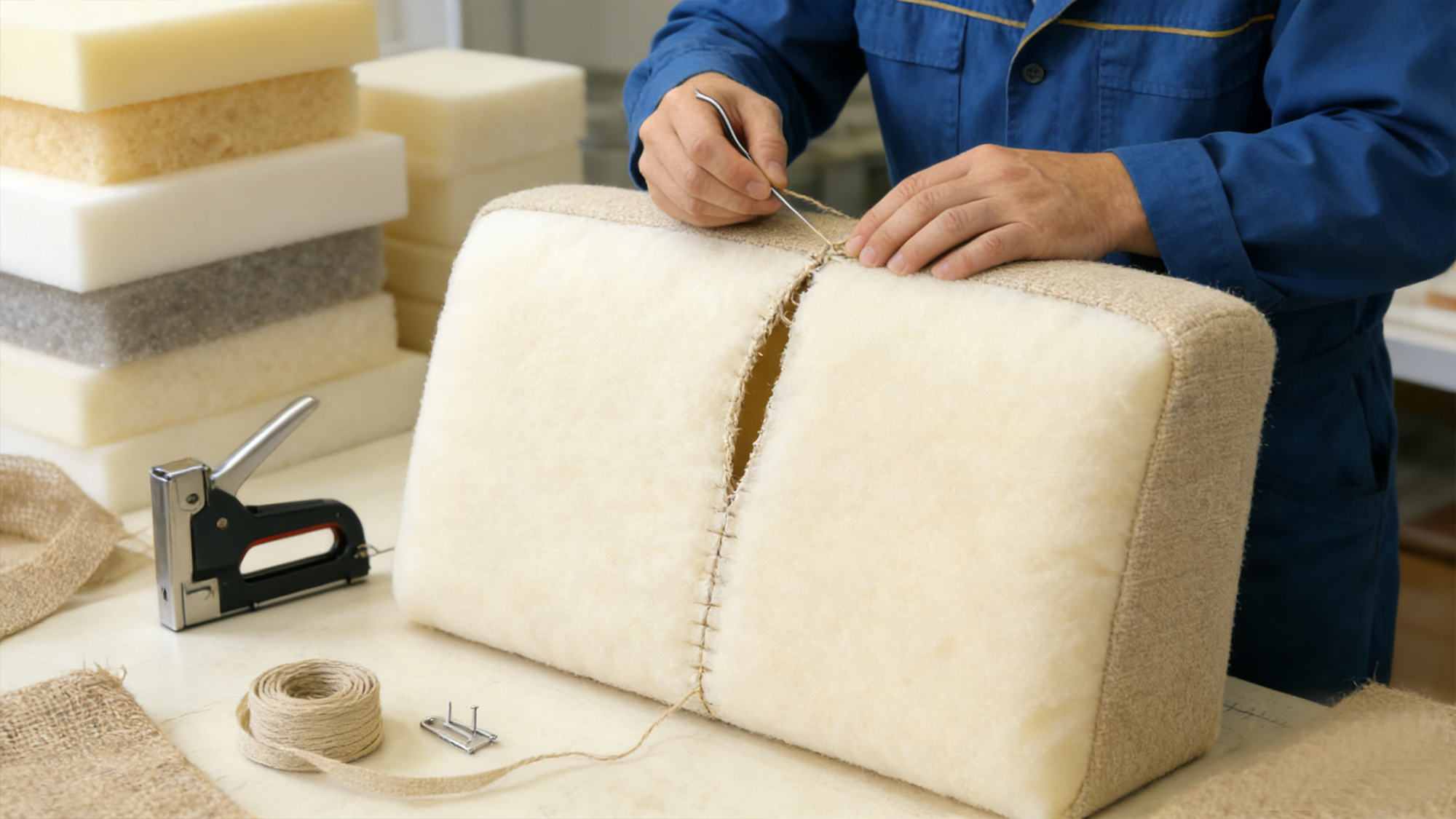
Every sewn cover passes through a three-stage inspection:
1.Sewer's Check: The craftsperson examines their own stitches and seams.
2.Dedicated Inspection: A quality specialist scrutinizes every inch under angled lighting.
3.Final Match Check: A holistic assessment before the cover meets its frame.
We accept only one type of imperfection: the natural character of organic materials. Beyond that, any seam deviation exceeding 2 millimeters requires rework.
Why Persist with Such Complexity?
The unseen double-stitched seams will hold firm five years from now.
The precisely aligned patterns bring a sense of calm with every glance.
The hours spent on manual adjustments create that "just-right" feeling of embrace.
Final Stitch: Time Sewn In
Whenever I see an apprentice learning from a master how to make a curved seam lie perfectly flat, I'm reminded: we don't just sell recliners. We offer focus undiluted by the machine age, and the tangible thickness of time invested in every stitch.
Next time you settle into one of our chairs, run your fingers along those fine, even seams. Feel the trace of two crafts people's hands, our promise of "lasting companionship," and our chosen way — amidst an industrial torrent—to counteract haste with deliberate care.
In a world of instant everything, we still believe some things are worth waiting for, and some processes are worth seeing.
Looking for a reliable supplier? Contact us for a competitive quote and free samples.