3-Seater vs Sectional Recliner: Choosing by Living Room Size
- Share
- Issue Time
- Nov 23,2026
Summary
A three-seater is one 199 cm box along a wall; a sectional buys seats with the corner instead. Dimensions, recline envelope and 40HQ loading figures for the 8005, 8310, 8228 and 8081, plus how to spec either layout so quotes stay comparable.
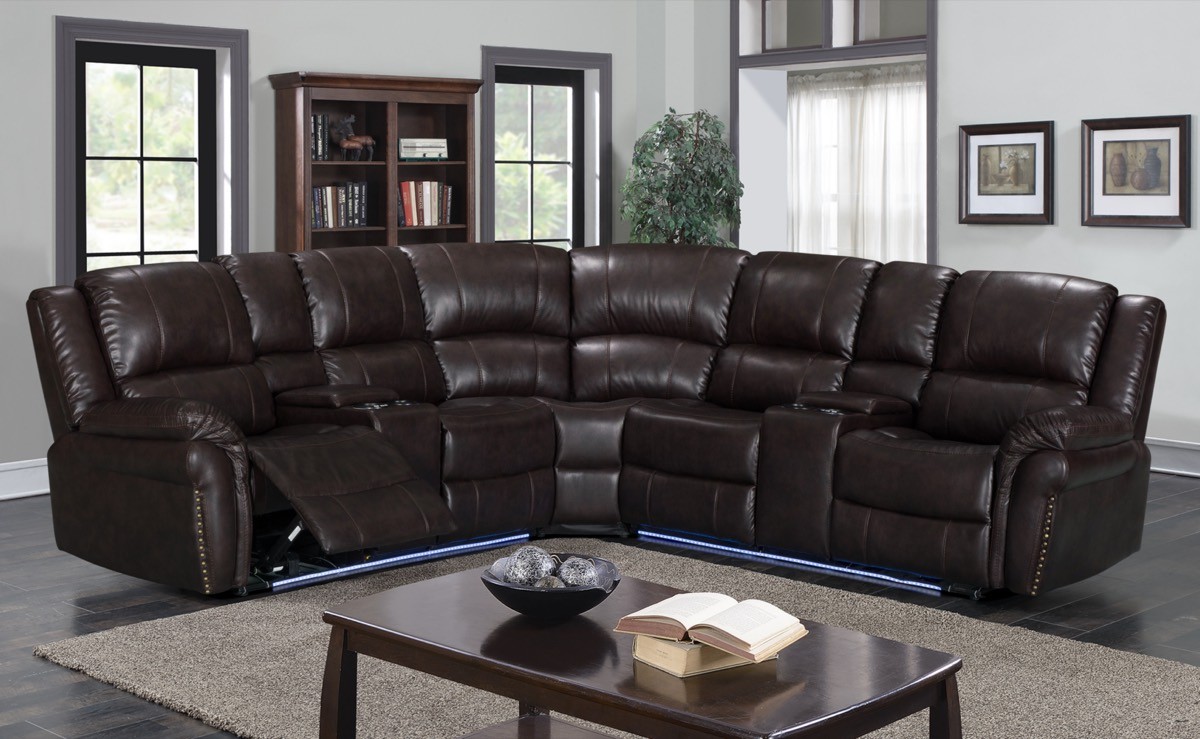
Quick answer. Both configurations seat the same family; they spend floor space differently. A three-seater is one box along a wall. A sectional trades that single wall run for depth, bending around a corner so the room's own geometry carries the extra seats. The numbers decide it: our 8005-3RR three-seater is 199×92×100 cm and loads 68 pieces per 40HQ; the 8310 corner set is two 172 cm loveseats joined by a 153 cm wedge, and each piece number loads 27 per 40HQ. Measure the wall first, then the corner, then pick the build — never the other way round.
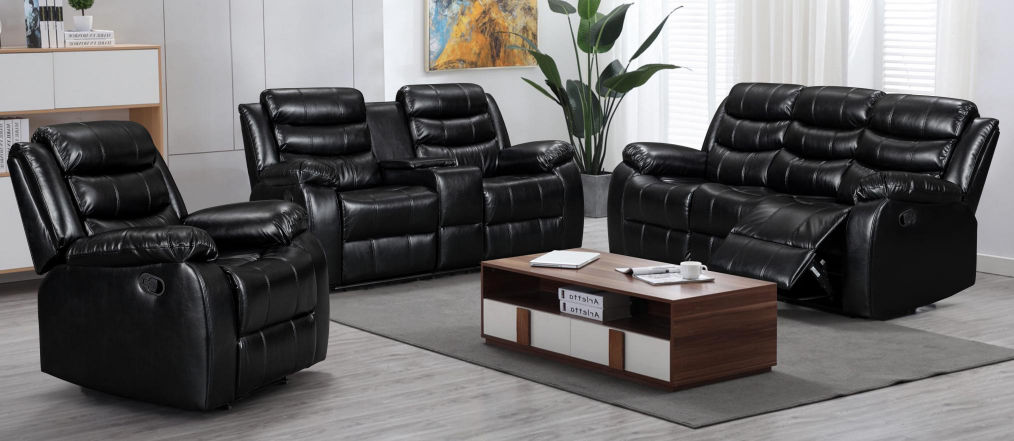
How are a three-seater and a sectional actually different?
Not in what they are made of. Both sit on a high-strength wooden frame or a metal frame with S-shaped spring packs and layered filling, foam in D28, D30 or D35 — all virgin, no powder filler — and both are designed around a 120–150 kg user. The mechanism and the recline geometry come from the same family of parts.
The difference is geometry and module count. A three-seater is one fixed module: one overall width, one carton, one position in the room. A sectional is an assembly — a left-facing piece, a right-facing piece, a corner or a wedge, sometimes a console — and every module adds a drawing dimension, a carton and a line on the packing list. That is why two sofas seating five people can differ by more than a metre of frontage.
How much wall does a three-seater really need?
Measure the usable wall between obstructions, not the room width. Our current three-seaters run 199 cm on the 8005-3RR, 224 cm on the 8310-3RR and 226 cm on the 8081-3RR, with seat widths of 168 cm and 167 cm on the first two. Add the side clearance you want at each arm, and remember the unit sits 92–95 cm deep before anybody reclines.
Then the part buyers get wrong: the recline envelope. The number you need is the distance from the wall to the back of the seat when fully reclined, and it comes off the mechanism drawing — it is not the same as seat depth. Ask for it per model instead of assuming it.
Walkway is a separate check. A 36 in (91 cm) clear path is the usual residential minimum in US building code (IRC R311.6), and it is the line a reclined footrest crosses first.
When is a sectional the smaller choice?
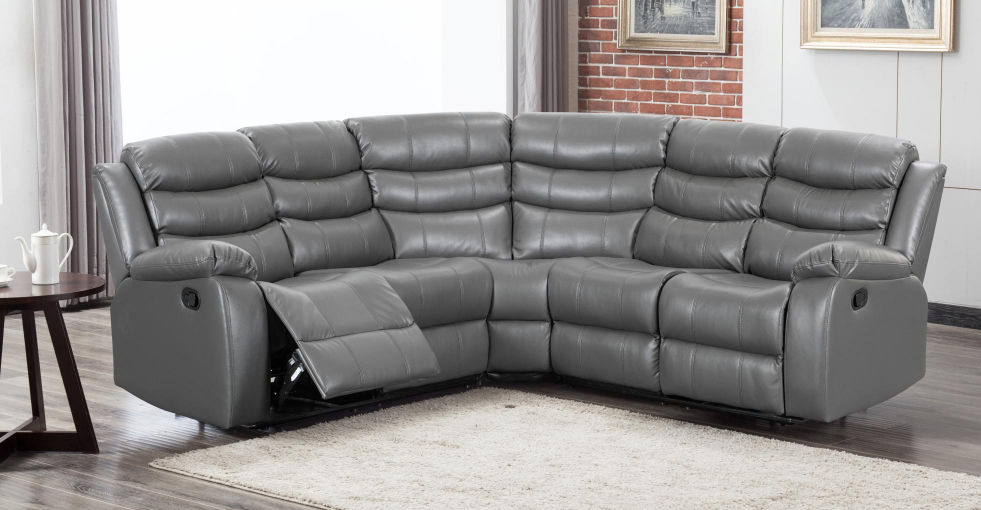
When the room turns. The 8310 corner set is two 172×96×103 cm console loveseats plus a 153×96×103 cm wedge; assembled, it seats five people without a second row of furniture standing in the middle of the floor. In a room where a straight sofa would have to float, the corner is space you already own.
Two practical consequences follow. Direction matters: an L-shape is a left or right decision at order time, not on site, because the two loveseats are mirror builds. And delivery is by piece: the 8310 loveseats pack in 171×76×65 cm cartons, so what arrives is three furniture-scale boxes rather than one three-metre package.
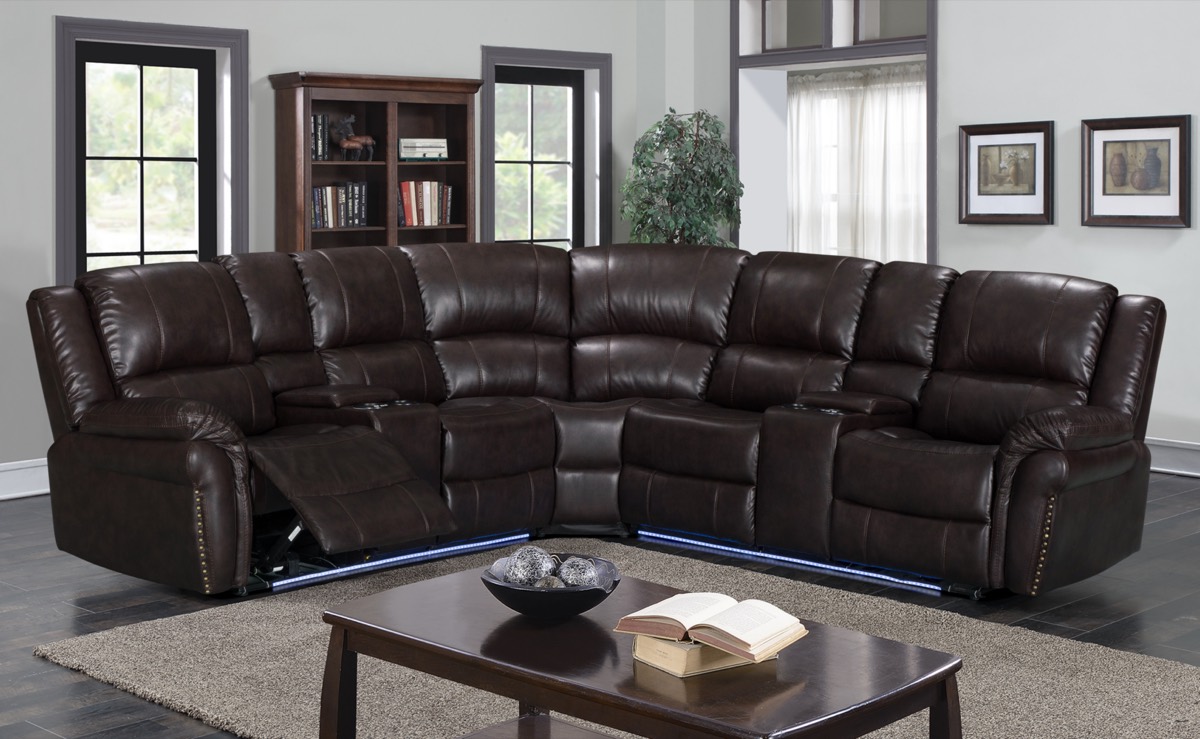
A U-shape is the same logic taken further — four to six modules with two corners — and it consumes container space faster than the seat count suggests.
What does the choice do to loading and MOQ?
This is where a showroom decision becomes a purchase order decision.
- 8005-3RR: 1.07 cbm per unit, 68 pieces per 40HQ.
- 8310: 27 pieces per 40HQ for each piece number; one set is one of each piece.
- 8081-3RR: 58 pieces per 40HQ.
- 8228: 20 sets per 40HQ as a 3+2+1 set, 23 sets per 40HQ as a sectional build — same model, two builds, two loading figures.
Minimum order is one 40HQ, one model and two colours, and that is the default recommended quantity. There is no trial-order channel, so a buyer who wants to test a layout takes a sample instead. Sampling runs 15–25 days after details are confirmed; bulk production runs 30–45 days, with 25 days possible on an expedited basis.
The purchasing rule that follows is simple: one build per container. Mixing a straight set and an L-shape in the same 40HQ forces a mixed packing calculation and usually loses cube.
How should you write the spec so quotes compare?
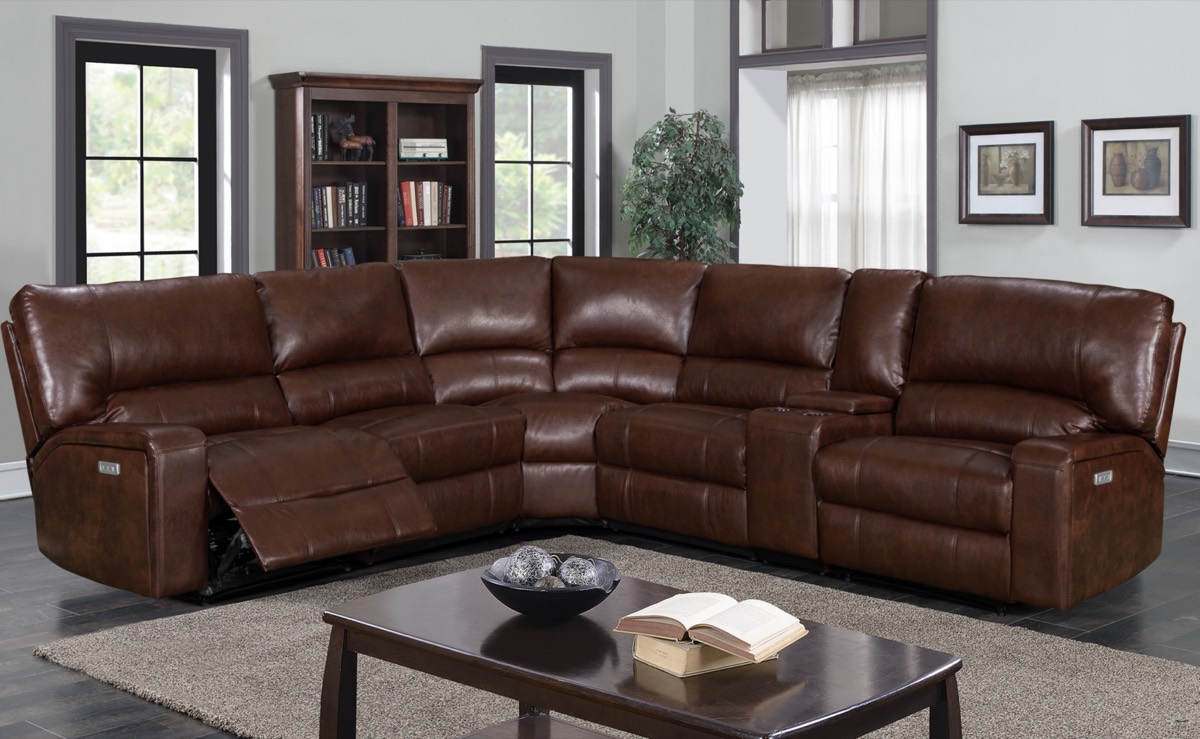
Give six things and the quote stops being a guess: overall width, depth and height per piece; seat width; corner direction; whether the corner is a wedge or a square module; console position; arm profile. Our structural customization covers overall size, seat width, chaise length, arm shape, console unit and modular layout in L, U or straight form, developed from your drawing and room dimensions.
Then agree the basis. A sectional quoted per set and a three-seater quoted per piece are not the same number, and the gap between them is arithmetic rather than negotiation.
Which PandaSofa models fit?
People also ask
- Can you customize the design, size and layout of the recliner sofa set? — how far a layout can be changed before it becomes a new development.
- How do you quote a recliner sofa set, per set or per piece? — the basis question that makes two quotes comparable.
- What is the weight capacity of your recliners and lift chairs? — what the 120–150 kg design figure covers.
Short version. Pick by the floor plan: a long clear wall points to a three-seater, a room that turns points to a sectional. Then check three numbers before you commit — the width you have, the recline envelope from the mechanism drawing, and the loading figure per piece. One build per container, one model and two colours minimum, and settle the layout at sampling rather than after.